For a consumer, the concept of 'Brand Voice' might be alien and abstract. However, for a marketer, understanding the importance of brand voice is the key to building brand recall amongst their customers. Brand voice is more than just a marketing gimmick; it’s the language that the brand speaks.
Take, for example, Coca-Cola, Nike, Apple, and Dove. Each of these companies has developed a distinctive way of speaking to their audience, which sets them apart from their competitors.
A huge part of the reason why these brands became household names are their brand voices.
These ways of speaking not only reinforce the image of the brand in the minds of their audiences, but also serve to strengthen their position in a busy and loud marketing world.
If you're a marketer, there's no time like today to tweak your brand voice or even create a whole new one.
In this blog, we'll discover the importance of a brand voice and how it can impact a company's success.
Iconic Brand Voice Examples (And Why They Work)
To understand the importance brand voice, let's look at some of the top brands in the world today:
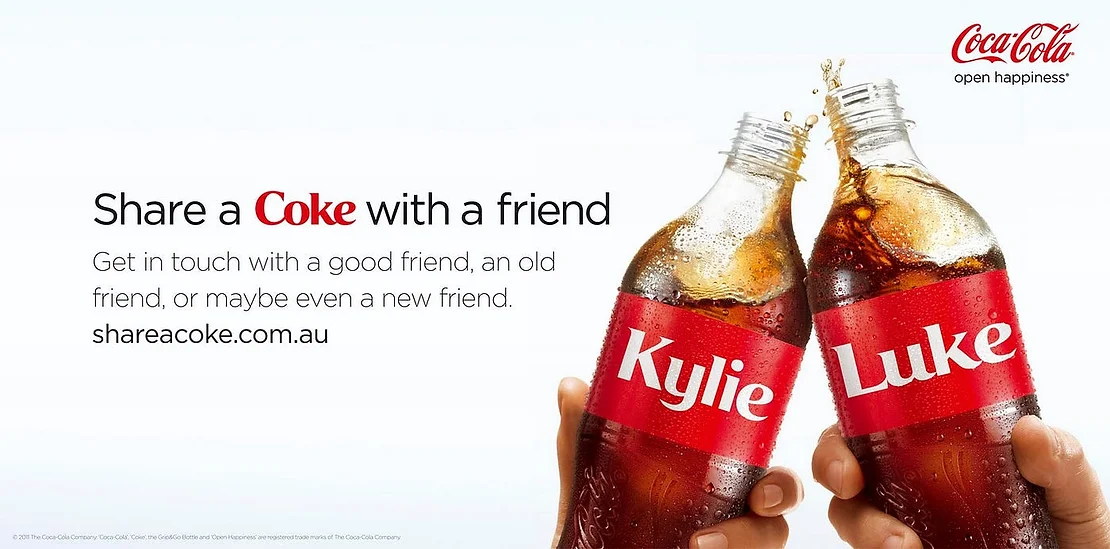
Coca-Cola: Coca-Cola's brand voice is all about friendliness and positivity. Their campaigns often focus on happiness, community, and togetherness. Who can forget the 'Share a Coke' campaign, where personalized bottles encouraged people to share the drink with friends and family? Whether it's a group of carefree teenagers dancing or a family of arctic animals gathering for the holidays, Coca-Cola consistently evokes a sense of joy and unity.
Source: Coke
Nike: Nike, on the other hand, has a brand voice that is heroic and life-changing. Their famous 'Just Do It' slogan inspires people to push their limits and achieve greatness. Nike's messaging often reminds customers that they are capable of overcoming any obstacle, and it speaks to the heart of athletes and dreamers alike.
Apple: Apple's brand voice is simple, confident, and superior. They use short, declarative sentences that convey a sense of innovation and exclusivity. Apple's communication style makes their audience feel special and part of an elite group that appreciates cutting-edge technology.
Source: Apple
Dove: Dove's brand voice is comforting and empowering. Their campaigns promote a positive body image and self-worth, encouraging individuals to embrace their true beauty.Dove demonstrates the importance of brand voice in building trust and emotional safety for its consumers.
Source: Dove
Brand Voice Examples
To illustrate the differences in these well-known brand voices, let's take a generic sentence and see how it would be expressed by Coke, Nike, Apple, and Dove:
Generic: Our products are designed to bring out the best in you.
Coca-Cola: Share a Coke with a loved one and spread happiness.
Nike: Just do it and unleash your full potential.
Apple: Experience the simplicity and innovation in every product.
Dove: Embrace your true beauty and feel confident in your skin.
These examples demonstrate how each brand infuses its unique personality and tone into a simple statement, effectively showcasing the subtle differences in their brand voices. Coca-Cola's version emphasizes sharing and happiness, while Nike's statement is all about empowerment and action. Apple's sentence highlights innovation and simplicity, whereas Dove focuses on self-acceptance and confidence.
Brand Voice vs. Tone: What’s the Difference?
Brand voice is the unique personality and tone a brand adopts in its marketing communications, while brand tone refers to the delivery of the brand voice. It's crucial to maintain a consistent brand voice to build trust and connect with the target audience.
A brand's voice embodies its core values and mission, shaping how it communicates across various channels. For instance, Nike's voice is consistently motivational and empowering, whether it's in an advertisement, social media post, or customer email. This helps to reinforce their brand identity and build a strong connection with their audience. Take this ad for example, which was part of a strategy for women empowerment.
Source: Nike
On the other hand, brand tone can vary depending on the context and situation. While the voice remains consistent, the tone adjusts to suit different circumstances. For example, a brand might adopt a more serious tone when addressing a customer complaint but switch to a playful tone when promoting a new product on social media.
By balancing brand voice and tone, companies can effectively convey their message while maintaining a strong, recognizable identity. This approach helps build trust and loyalty among customers, as they know what to expect from the brand no matter the situation.
6 Key Benefits of a Strong Brand Voice
The importance of brand voice can be seen in the many benefits it brings:
Better Customer Recall: A consistent brand voice enhances the public's perception of your company. It creates a cohesive image that helps people understand and relate to the brand, leading to increased recognition and a favorable view.
Improved Marketing Outcomes: A well-defined brand voice contributes to more effective marketing campaigns. It ensures that all messaging aligns with the brand's identity, making it easier to create compelling content that resonates with the target audience. This can lead to higher engagement rates and more successful marketing efforts.
Building Trust and Credibility: Consistency in brand voice builds trust among consumers. When a brand communicates in a reliable and predictable manner, it fosters a sense of authenticity and reliability. Customers are more likely to trust a brand that consistently delivers on its promises.
Generating New Leads: A distinctive brand voice attracts attention and piques curiosity, which can generate new leads. By standing out from the competition, a unique brand voice can draw potential customers to investigate what sets the brand apart.
Creating Emotional Connection: A strong brand voice can create an emotional connection with the audience. By speaking directly to their values, desires, and pain points, a brand can forge deep, meaningful relationships with its customers, leading to long-term loyalty.
Streamlined Content Creation: With a well-defined brand voice, content creation becomes more straightforward. Writers and marketers can produce content more efficiently and effectively, as they have clear guidelines on how the brand should communicate. This leads to a more unified and cohesive brand presence across all platforms.
Each of these benefits reinforces the importance of brand voice in shaping how customers perceive and engage with a company.
How to Define Your Brand Voice: 5-Step Guide
Creating a distinct brand voice involves a deep understanding of the brand's essence, target audience, and market landscape. Here are some pointers to help craft a compelling brand voice:
Define Your Brand's Core Values and Mission: Understand the fundamental principles that drive your brand. What does your company believe in, and what is its mission? This will provide a foundation for your brand voice
Know Your Audience: Tailor your brand voice to resonate with your target audience. Research their preferences, demographics, and communication styles to ensure that your voice aligns with their expectations and preferences.
Analyze Competitors: Study your competitors' brand voices to identify what makes your brand unique. This can help you carve out a distinct voice that sets you apart in the market.
Create Brand Voice Guidelines: Document your brand voice in a comprehensive guide that outlines key characteristics, preferred language, and tone. This will serve as a reference for everyone involved in content creation and ensure consistency across all communications.
Use Copywriting Tools and Templates: Leverage tools and templates to streamline the content creation process. For example, Yarnit's generative AI product uses a brand hub to guide content creation across various marketing use cases, making it easier to develop and maintain a unique brand voice.
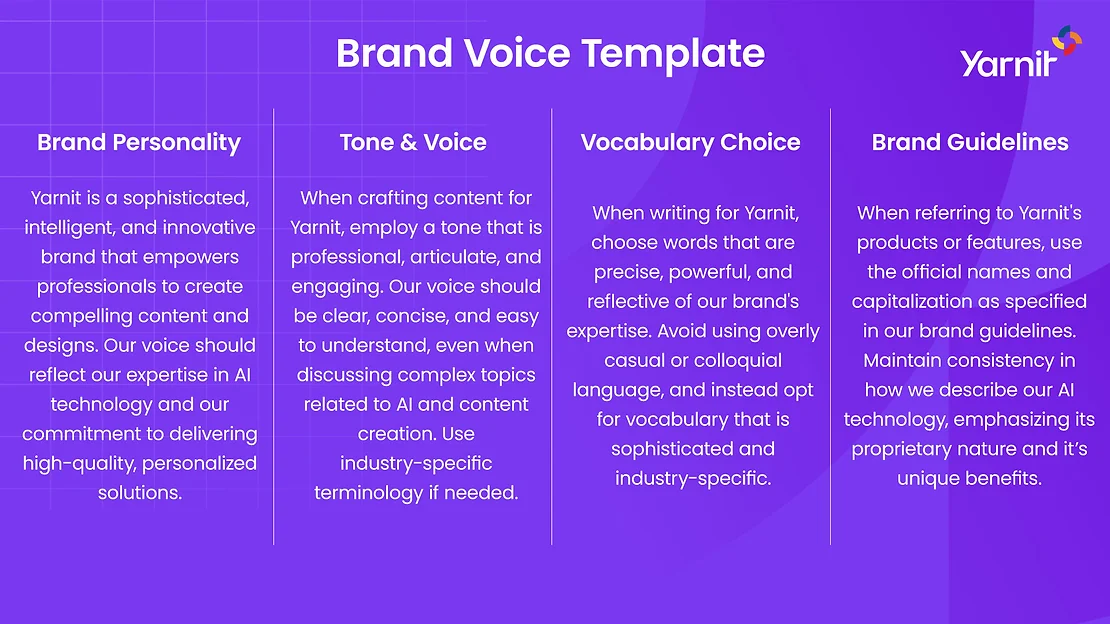
Here's an example template for writing with a brand voice:
Example Brand Voice Template
By following these pointers and utilizing tools like Yarnit, brands can develop a coherent and compelling voice that resonates with their audience and reinforces their identity.
The AI Challenge: Maintaining Brand Voice in Automated Content
One of the most common challenges in AI-generated content is the risk of producing generic, indistinct copy that fails to capture a brand's unique identity. This is where the importance of brand voice becomes critical. Without a well-defined brand voice, AI-written content can sound remarkably similar across different companies, potentially diluting brand recognition and customer loyalty.
For instance, two competing tech companies might end up with nearly identical product descriptions: "Our cutting-edge smartphone offers advanced features and sleek design." This generic language does little to differentiate the brands. However, with a strong brand voice, one company might emphasize innovation: "Revolutionize your mobile experience with our boundary-pushing tech," while another focuses on user-friendliness: "Simplify your day with our intuitive, no-fuss smartphone."
This drawback makes focusing on replicating your brand voice an important part of your AI-powered marketing strategy. Marketers must also take additional steps to ensure that AI's generic voice doesn't conflict with your brand's positioning. Moreover, having your marketing copy perceived as being AI-generated may also result in backlash, further diluting a brand's positioning and impact.
By incorporating brand voice, AI can generate content that truly reflects a company's personality and values, helping it stand out in a crowded marketplace.
How Yarnit Solves the AI Brand Voice Problem
By using Yarnit's revamped Brand Hub, you can take a two-fold approach to address the issue of generic AI content.
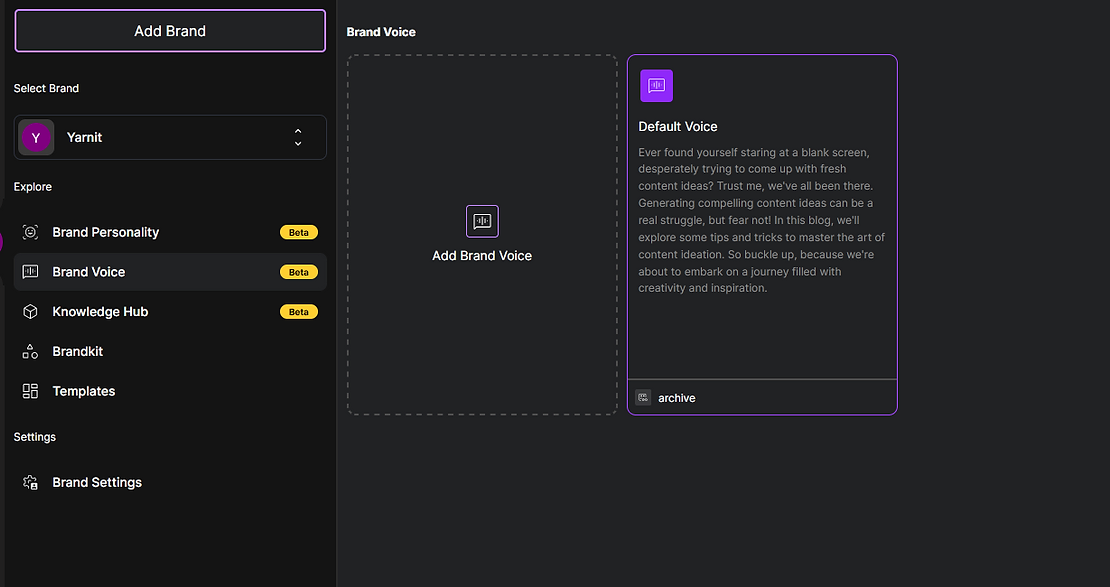
Yarnit's revamped Brand Hub
Yarnit's Brand Hub is a one-stop solution for all your branding needs. In the hub, you can set up your brand's personality and up to 5 brand voices for all of your content needs. This feature brings some much-needed AI chops to the brand voice setup process, allowing you to extract a voice from a document or a website. If you want to go with the tried and tested approach, you can also add a voice manually.
However, creating a brand voice is just one half of the magic, as Yarnit allows you to infuse your personal brand voice into every piece of content you create. Users can easily choose what brand voice they want for each type of content. By using proprietary algorithms, Yarnit ensures that all content produced aligns with the brand's unique voice and personality. This means that whether it's a social media post, blog, or email, the content will consistently reflect the brand's values and tone.
With Yarnit, brands can avoid the pitfalls of generic AI-generated content and instead benefit from a tailored approach that enhances their communication strategies. Yarnit empowers brands to scale their content creation efforts without sacrificing quality or authenticity, making it an invaluable tool for modern marketers.
Your Action Plan for a Distinctive Brand Voice
A strong brand voice isn’t just about words—it’s the heartbeat of your brand identity. The importance of brand voice becomes undeniable when you see how leaders like Nike and Coca-Cola create emotional bonds and consistent recall.
With AI-generated content rising, the risk of generic messaging is real. Tools like Yarnit’s Brand Hub ensure your brand voice stays distinct across all channels, blending AI efficiency with human authenticity.
Your next steps:
1. Audit your current voice using competitor comparisons
2️. Document guidelines for tone, vocabulary, and values
3️. Utilise AI wisely—use Yarnit to scale without sacrificing uniqueness
Ready to amplify your voice? Explore Yarnit’s brand voice tools today.
See exactly why your Product Detail Page isn't converting
Thank you! Your submission has been received!
Oops! Something went wrong while submitting the form.
Frequently Asked Questions
What is a brand voice and why does it matter?
A brand voice is the unique personality and style in all brand communications. It matters because it creates recognition, builds trust, and strengthens emotional connections with customers.
How does brand voice affect customer loyalty?
A consistent brand voice fosters familiarity and reliability, leading to stronger relationships and long-term customer loyalty.
Can AI tools help maintain brand voice?
Yes, AI tools like Yarnit can help keep your brand voice consistent and authentic across automated content by following your voice guidelines.
How do I define my brand voice?
Define your brand voice by understanding your values, audience, and competitors, then document clear guidelines to ensure consistent use.
What are the benefits of having a strong brand voice?
Benefits include enhanced marketing effectiveness, better recall, deeper trust, emotional connections, and streamlined content creation.