Learn how to write clear, creative AI art prompts that turn ideas into stunning visuals. From basic structure to advanced styles, master the art of prompting with Yarnit
Making amazing AI art goes beyond just having the right tools—you need to know how to talk to machines. Whether you do this as a hobby or as a pro digital artist, writing a clear detailed prompt can change your abstract thoughts into eye-catching images. This post will look into how to write good AI prompts covering simple and complex structures, the words and phrases that work well, and the many art styles you can create.
AI Art Prompt Tips and Tricks
How long should an AI art prompt be?
There aren't hard limits on how long or short a prompt should be. For example, Midjourney works well with 60-character prompts, while Yarnit's Dreambrush does best if you stay below 380 characters.
No matter which AI image generator you use, one thing they all have in common is that they can get confused if you give them too much to work with. As you add more elements to your prompts, Irecommend separating them with commas. This will help the AI model interpret your prompt. Plus, it'll make it easier for you to remember what you've asked for.
What style of language should you use in an AI art prompt?
The style of language you should use depends on the results you want. For more predictable results, use vivid details and concrete language. For a random grab bag, use poetic or abstract wording.
As you become more experienced, you can play with the structure, length, and style of your AI art prompt. But first, let's drill down into each of the main components.
Structuring a Prompt
A well-structured prompt serves as a roadmap for AI, guiding it to render your vision accurately. Think of it as the instruction manual that bridges your creative concept with the machine’s interpretive capabilities. When you provide explicit, thoughtful directions, the AI is better equipped to understand nuances like composition, mood, and style.
Prompt: “a fashion shoot with a brunette woman with straight hair in a clean red dress billowing in the wind, set in a serene desert landscape featuring large, smooth beige rock formations, with a burst of orange desert flowers in the foreground. In the background, a cactus adds to the scene. The atmosphere feels minimal and meditative, combining editorial sophistication with the raw, untouched beauty of nature.”
What it does: The Subject, the setting and style are clearly written in this prompt
Basic AI Art Prompts: Laying the Foundation
For beginners, starting with a basic prompt is a great way to understand how AI interprets instructions. Basic prompts generally consist of the following components:
1. Subject or Object
What’s the focus? Begin with a clear description of the subject. Is it a landscape, a portrait, or an abstract concept? For example, "a serene mountain lake" or "a futuristic city skyline."
2. Descriptors
Adjectives and details: Enhance the prompt by adding descriptive adjectives. Consider aspects such as color, mood, lighting, and atmosphere. For example, "a vibrant and misty mountain lake at sunrise" adds depth and context.
3. Art Style or Medium (Optional)
Defining the look: Mention if you want a specific art style—like digital art, watercolor, oil painting, or a particular artistic movement (impressionist, surreal, etc.). An example might be, "in the style of impressionist painting."
A great mnemonic is to answer the 4W’s - Who Or What? When? Where? This fundamental structure is all about clarity. It helps ensure that the AI captures the essence of what you envision without overwhelming it with too much detail.
Prompt: “A musician tuning a guitar, night time candid shot, white walls, flash photography, dark shadows, hard light, a polaroid photo, film grain,
What it does: It directs the AI not only about the subject and mood but also the visual technique to emulate.
Advanced AI Art Prompts: Adding Layers of Complexity
Once you’re comfortable with basic prompts, you may want to explore advanced prompting to capture even more nuanced artistic visions. Advanced prompts build upon the simple structure by incorporating additional elements, such as:
1. Detailed Descriptions
Expand on your vision: Go beyond simple adjectives by explaining the composition, textures, and even emotions you want the piece to evoke. For instance, “a futuristic city skyline at dusk, where neon lights reflect on wet pavement and the crowd exhibits a blend of excitement and mystery.”
2. Context and Narrative
Storytelling through visuals: Introduce a brief narrative or context. This might include time periods, settings, or even a backstory for the subject. An example could be, “an ancient warrior standing in a dystopian landscape, blending traditional armor with futuristic elements.”
3. Technical Attributes
Camera settings and artistic techniques: Advanced prompts might include elements inspired by photography or art techniques—such as "macro shot," "depth of field," "chiaroscuro lighting," or “double exposure effects.” This gives the AI instructions reminiscent of artistic or photographic practices.
4. Iterative Modifiers
Fine-tuning output: Use modifiers to refine the mood, color scheme, and style further. For example, “with subtle pastel tones and a dreamlike ambiance” or “rich in contrast with deep shadows.”
Another great mnemonic FAST helps you build advanced prompts quickly without overcomplicating things—just Focus, Aesthetics, Style, and Technique.
Language and Phrasing: Making Every Word Count
Precision in language is paramount when writing AI prompts. Here are some tips on the phrasing:
Be Specific: Avoid generic terms that leave too much interpretation to the AI. Instead of saying "beautiful," say "a breathtaking, intricately detailed sunset with golden hues."
Use Active, Descriptive Language: Instead of vague commands, describe an action or scenario, for instance, "an intricately woven tapestry of light and shadow dancing across the figure's face."
Limit Ambiguity: Include context whenever possible to avoid misinterpretations. If you’re referring to a particular style or era, mention it explicitly—such as "Renaissance-inspired portrait" or "modern digital glitch art."
Combine Adjectives Thoughtfully: Too many adjectives might confuse the AI. Focus on two to three clear descriptors that capture the essence of the piece you want to create.
Prompt: A younger and more attractive professional businesswoman's profile with a smaller head and body, face in shadow and silhouette, with shoulders visible against a colorful gradient background, employing minimal studio photography and dramatic lighting effects to create more negative space around her head.
What it does: Detailed technical cues help refine the image’s focus and lighting, guiding the AI toward a specific visual effect.
AI Art Prompts: Art Styles
One of the most exciting aspects of AI art generation is its ability to replicate and experiment with a multitude of art styles. When crafting your prompt, consider including:
Historical Art Movements: Specify if you want an art piece reminiscent of styles like Baroque, Renaissance, Impressionism, or Surrealism.
Modern and Digital Techniques: Experiment with directions such as “Futuristic digital art”, “cyberpunk,” “vaporwave,” or “glitch art” to produce contemporary and edgy visuals.
Hybrid Styles: Combine elements from different artistic traditions to create something truly unique.
Prompt: Futuristic digital art, abstract belladonna flower with a translucent, glass art appearance, featuring elongated, wavy, metallic petals displaying an iridescent color spectrum of green, pink, gold, and violet. Set against a stark black background, the petals are highlighted with soft, diffused lighting to create liquid reflections, enhancing their translucent, glass-like textures. Additional elements include thin, fluid stems, adding movement to the composition. Parameters: vibrant and saturated colors, fluid organic texture, dramatic lighting with emphasis on metallic shines, extreme detailing.
As more brands start using these AI art styles in real campaigns, one more layer becomes just as important as the creative brief: staying legally safe. This blog on AI art legal essentials for today’s B2B marketer explains who really owns AI-generated images, how different regions treat AI art, and what contracts and guardrails you need so your best visuals are both bold and protected.
How to Write the Perfect AI Art Prompt
Crafting the perfect prompt is as much an art as it is a science. Whether you’re starting with basic descriptions or venturing into the realm of advanced storytelling and technical details, the key is to be clear, descriptive, and intentional with your words. With each prompt, experiment and refine—observe how minor tweaks in language can lead to vastly different visual outcomes.
Prompt: Create a 3D isometric render of a dark, moody urban alleyway. The scene is defined by a single flickering street lamp that casts dramatic, diffused light onto rain-slicked cobblestones, creating rich pools of ambient glow amidst deep shadows. Include realistic details like worn brick walls, subtle graffiti, scattered trash bins, and a few weathered crates to evoke the atmosphere of mystery and solitude. Enhance the visual depth using high-resolution textures, ambient occlusion, and soft lighting effects to bring out the intricate interplay of light and shadow, making the setting both haunting and cinematic.
30 AI Art Prompts for B2B Marketing
Visual storytelling is key in B2B marketing—whether for websites, ads, social media, or presentations. These 30 AI-generated art prompts span hyperrealistic photography, 3D renders, and silhouettes, offering versatile assets to enhance branding, explainer content, and campaigns. From corporate professionalism to futuristic tech aesthetics, these styles help businesses communicate ideas with impact, emotion, and clarity.
If you’re using AI art assets from different tools and want them to plug into more autonomous, AI-driven marketing systems, it’s worth reading this blog on implementing AI agents for marketing to understand how ready your data, tools, and processes are before you scale.
1. Hyperrealistic, Editorial Quality Photographs
These stunning, lifelike images are perfect for elevating your brand’s visual storytelling. Use them as eye-catching hero banners on your website, immersive blog headers, or engaging social media backdrops. Their polished, professional aesthetic lends credibility to corporate blogs, healthcare campaigns, lifestyle brands, and more—making complex ideas feel relatable and aspirational.
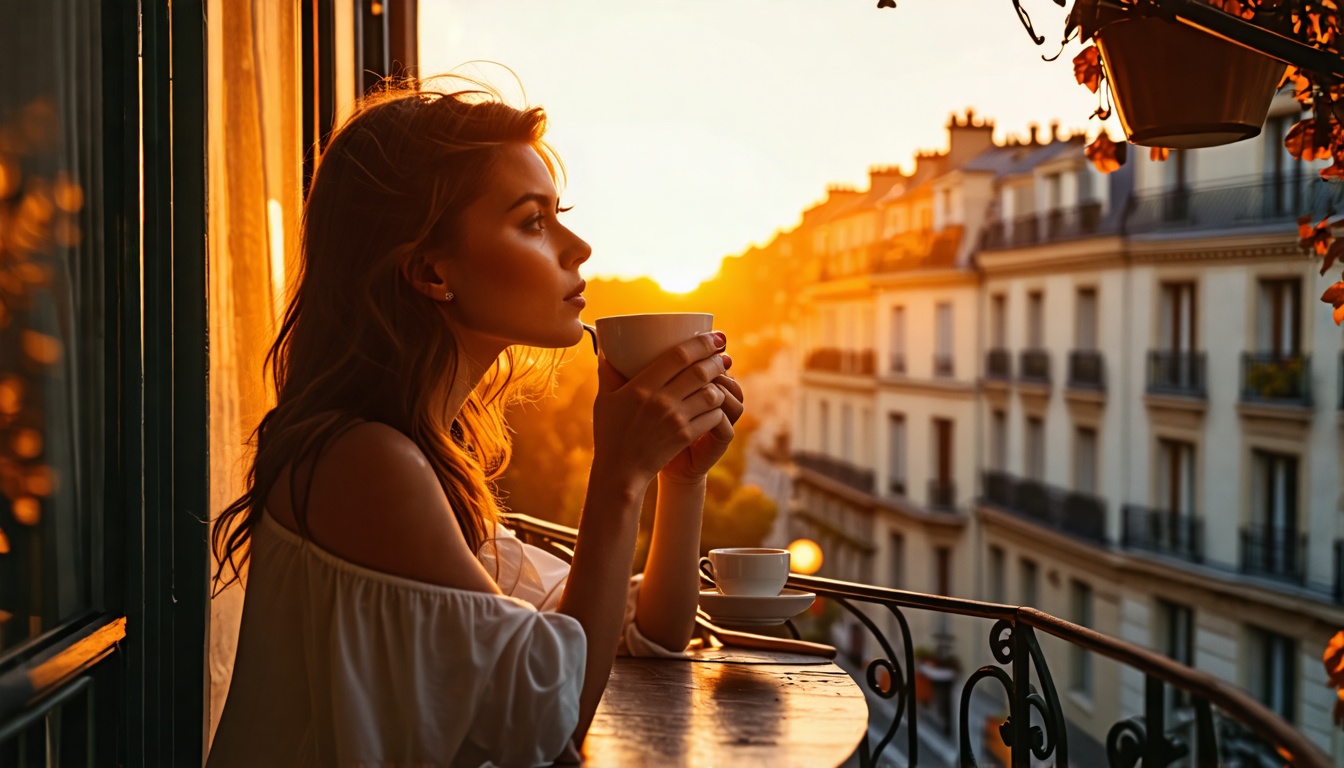
A young woman drinking coffee at sunriseon a Parisian balcony — hyperrealistic, editorial photograph.
A group of coworkers brainstorming on a Monday morningin a modern office — hyperrealistic, editorial photo with lens flare.
A medical healthcare worker and a physician attending to a patient lying on a bed in a clinic - hyperrealistic, soft-lit photo
An elderly man fixing a vintage radio in the afternooninside a cluttered garage — hyperrealistic, editorial photo.
A teenage skateboarder performing a trick at golden hourin an urban skatepark — hyperrealistic, editorial shot.
A mother and child laughing together on a rainy morningby a foggy window — hyperrealistic, soft-lit photo.
A fashion model posing at duskon a New York rooftop — hyperrealistic editorial fashion photo.
A chef plating a dish during dinner servicein a high-end kitchen — hyperrealistic, candid editorial image.
A musician tuning a guitar, night time candid shot, white walls, flash photography, dark shadows, hard light, a polaroid photo, film grain
A farmer holding fresh vegetables in the early morningon a rural farm — hyperrealistic, natural light editorial shot.
A ballet dancer stretching before sunrisein an empty studio — hyperrealistic, softly lit editorial photo.
2. 3D Render Style (Isometric + Claymorphic)
Ideal for tech, SaaS, or product-focused marketing, these playful yet sleek 3D renders add a modern twist to presentations, infographics, and ad campaigns. The isometric layouts work great for explainer visuals, while the claymorphic style’s soft textures and glowing effects bring whimsy to startup branding, app interfaces, or futuristic industry content.
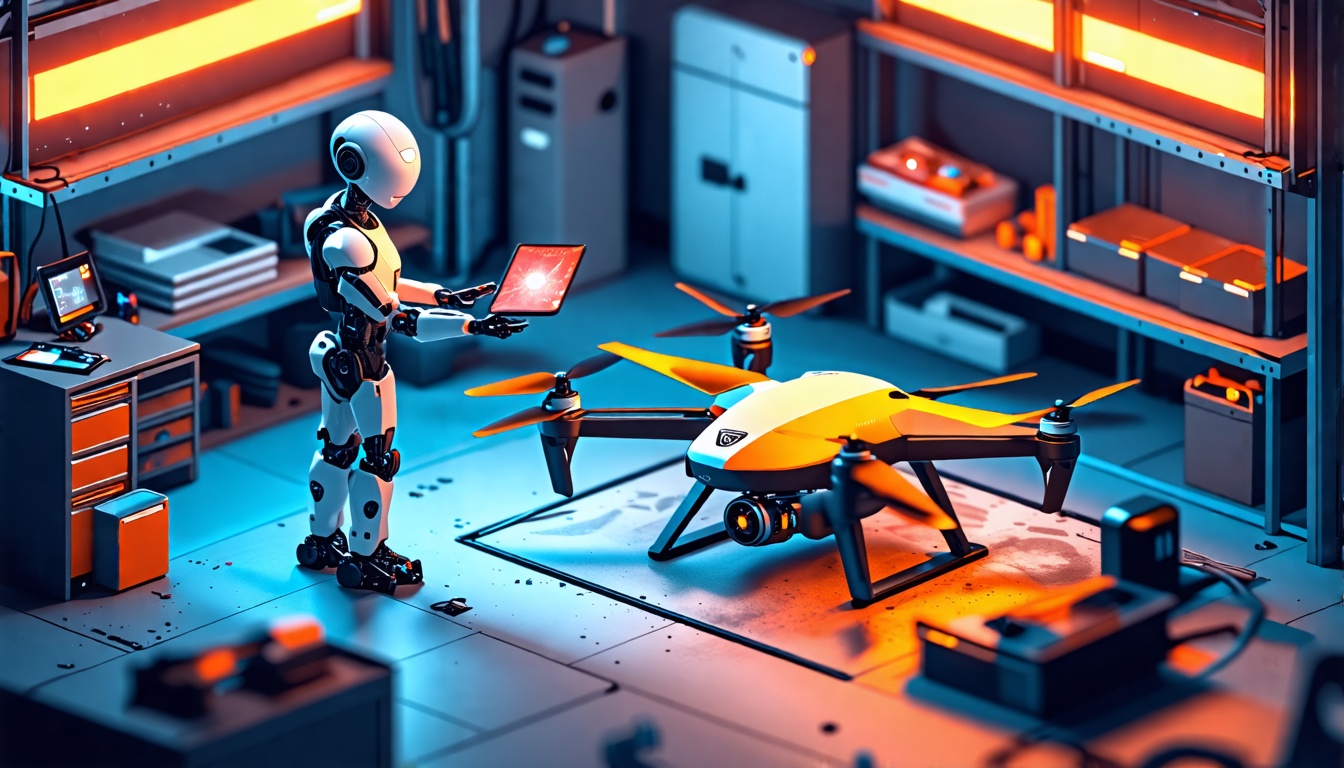
A robot mechanic repairing a drone in the eveninginside a futuristic workshop — 3D isometric render.
A wizard casting a spell at midnighton a mountaintop — 3D claymorphic style with glowing effects.
A gardener watering plants in the morningon a floating island — 3D isometric, soft color palette.
A cat sleeping in the afternoonon a cozy window ledge — 3D claymorphic style, pastel tones.
A delivery drone flying at duskabove a cyberpunk city — 3D isometric, detailed textures and neon highlights.
A knight defending a village at sunrisein a fantasy realm — 3D claymorphic render, toy-like textures.
A scientist examining samples in the late eveninginside a space lab — 3D isometric, clean sci-fi style.
An artist painting during sunseton a rooftop terrace — 3D claymorphic style with stylized light effects.
A traveler unpacking gear at twilightby a campfire in a forest — 3D isometric, soft glowing lights.
A shopkeeper arranging items in the morningin a medieval market stall — 3D claymorphic, vibrant props and warm lighting.
3. Silhouette Style Images
Minimalist yet powerful, silhouette art conveys emotion and narrative without distraction. Use these for impactful social media posts, ebook covers, or webinar slides—especially when highlighting themes like teamwork, adventure, or innovation. Their high-contrast drama ensures instant attention, whether for motivational content or thematic campaigns like sustainability or wellness.
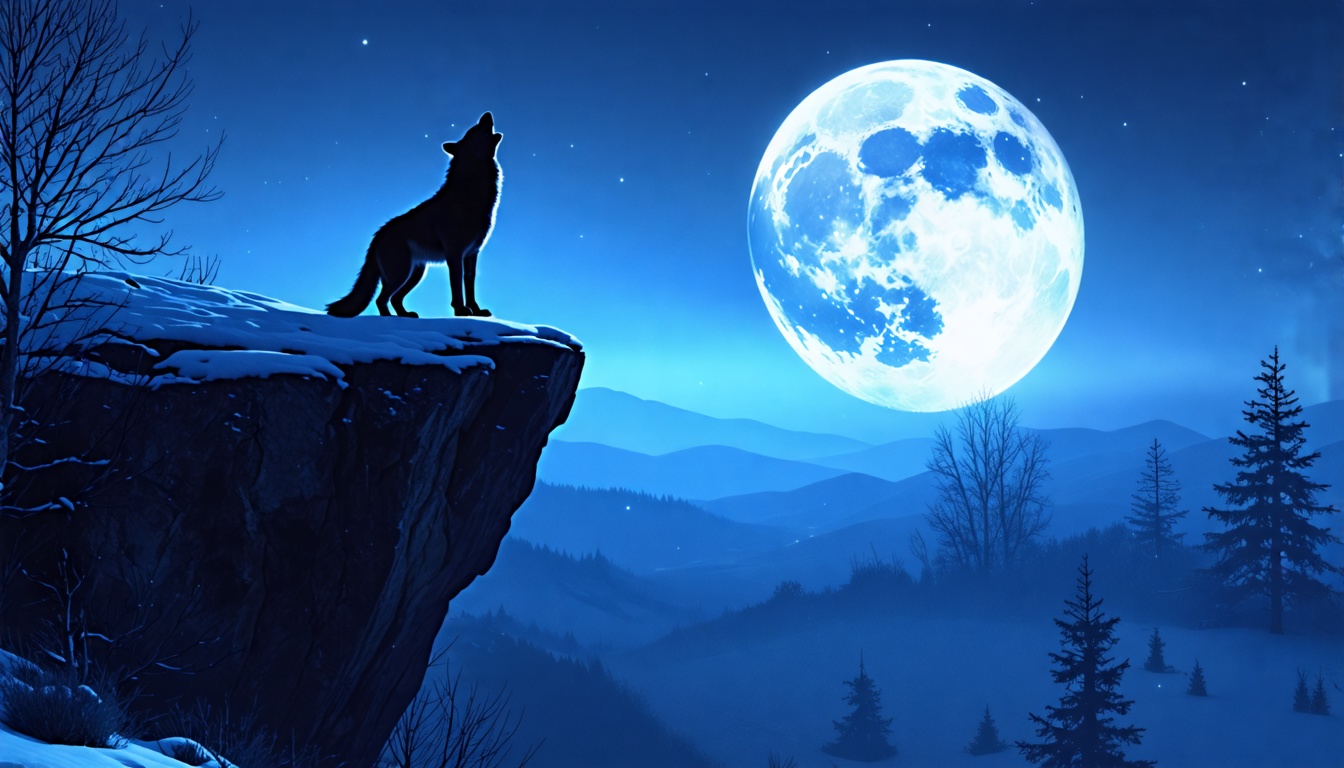
A lone wolf howling at nighton a snowy cliff — silhouette style with moonlight background.
A girl releasing a balloon at sunseton a hillside — silhouette with warm, glowing horizon.
A couple dancing in the eveningunder string lights in a garden — romantic silhouette scene.
A child flying a kite in the afternoonon a windy beach — playful silhouette with textured sky.
A soldier saluting at dawnin a desert landscape — patriotic silhouette against rising sun.
A witch flying on a broom at twilightover a small village — Halloween-themed silhouette.
A diver swimming at noonnear an ocean reef — underwater silhouette with light beams.
A hiker reaching the summit at sunriseon a jagged mountain — victory silhouette scene.
A dog and child playing in the eveningin a backyard — heartwarming silhouette moment.
A tree swaying at midnightin a stormy field — dramatic silhouette with lightning in background.
Yarnit: AI Art Generator
Ready to elevate your AI art creation? Dive into Yarnit's extensive prompt library and discover a wealth of creative ideas that will inspire your next digital masterpiece. Whether you’re a beginner or a seasoned artist, Yarnit is here to help you craft visuals that tell compelling stories.
Explore Yarnit’s prompt library and start generating captivating AI art today!
See exactly why your Product Detail Page isn't converting
Thank you! Your submission has been received!
Oops! Something went wrong while submitting the form.
Frequently Asked Questions
How do I start creating AI art prompts?
Begin with basic AI art prompts focusing on subject, descriptors, and style. Use the 4W's for clarity and experiment with tools like Yarnit's Dreambrush.
What's the ideal length for AI art prompts?
Keep AI art prompts under platform limits (60 chars for Midjourney, 380 for Yarnit). Use commas to separate elements for better AI art interpretation.
How can AI art benefit B2B marketing?
AI art creates hyperrealistic visuals, 3D renders, and silhouettes for websites and ads, enhancing brand storytelling with professional impact.
What art styles work best in AI art prompts?
AI art supports Baroque, cyberpunk, impressionism, and hybrids. Specify clearly for consistent, stunning results.
Can beginners master AI art generation?
Yes—start simple, use mnemonics like FAST for advanced AI art prompts, and refine iteratively with Yarnit's library.