Native advertising has undergone a remarkable transformation since its inception, evolving from simple sponsored content to a sophisticated, data-driven marketing strategy. In 2024, native ads have become an indispensable tool for digital marketers, with the global native advertising market projected to reach over $400 billion by 2025, growing at a CAGR of 21.16% from 2020 to 2025. But what are native ads exactly?
Native advertising refers to paid content strategically designed to mimic the form, feel, and function of the platform it appears on. Unlike traditional ads, which can often feel intrusive, native ads integrate naturally into content streams, minimizing disruption and enhancing user satisfaction.
This exponential growth is fueled by native ads' ability to seamlessly integrate with user experiences across diverse platforms, effectively overcoming ad blindness. Recent studies show that native ads are viewed 53% more frequently than traditional display ads underscoring their efficacy in capturing audience attention.
The evolution of native advertising reflects the industry's response to changing consumer behaviors and technological advancements. From AI-powered content recommendations to interactive sponsored experiences, native ads continue to adapt, meeting the dual demands of less intrusive advertising and more sophisticated targeting capabilities.
In this guide, we'll explore the ins and outs of native advertising in 2024. From the latest trends to best practices, we'll cover everything you need to know to master this dynamic field. Read on to know more about how you can get started with native ads.
Types of Native Ads
As native advertising has evolved, it has diversified into several distinct categories, each offering unique advantages for marketers. The variety of native ad formats are each designed to engage users in specific contexts:
In-Feed Ads
These ads are seamlessly integrated into content feeds, such as sponsored posts on social media platforms like Facebook or Instagram. They mirror the look and feel of organic content, making them less disruptive to the user experience.
An example of an in-feed ad on Instagram
Search & Promoted Listings
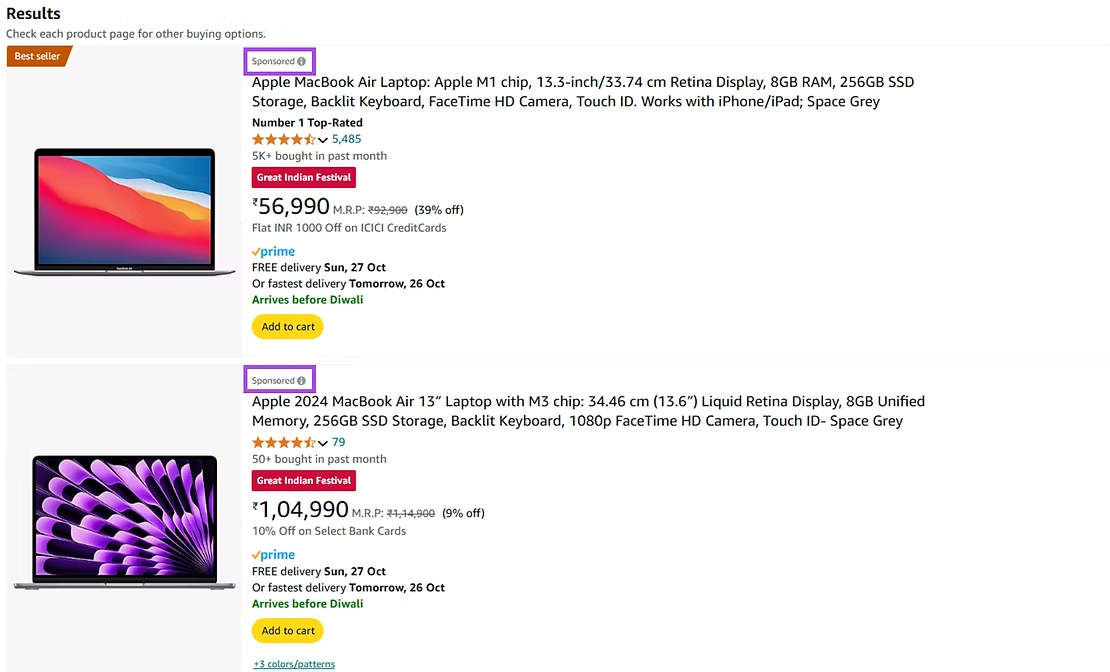
Appearing within search results or product listings, these ads are particularly effective in e-commerce settings.
An example of a promoted listing for the search term "MacBook"
For instance, Amazon's sponsored products blend seamlessly with organic search results, offering relevant suggestions based on user behavior and search intent.
Content Recommendations
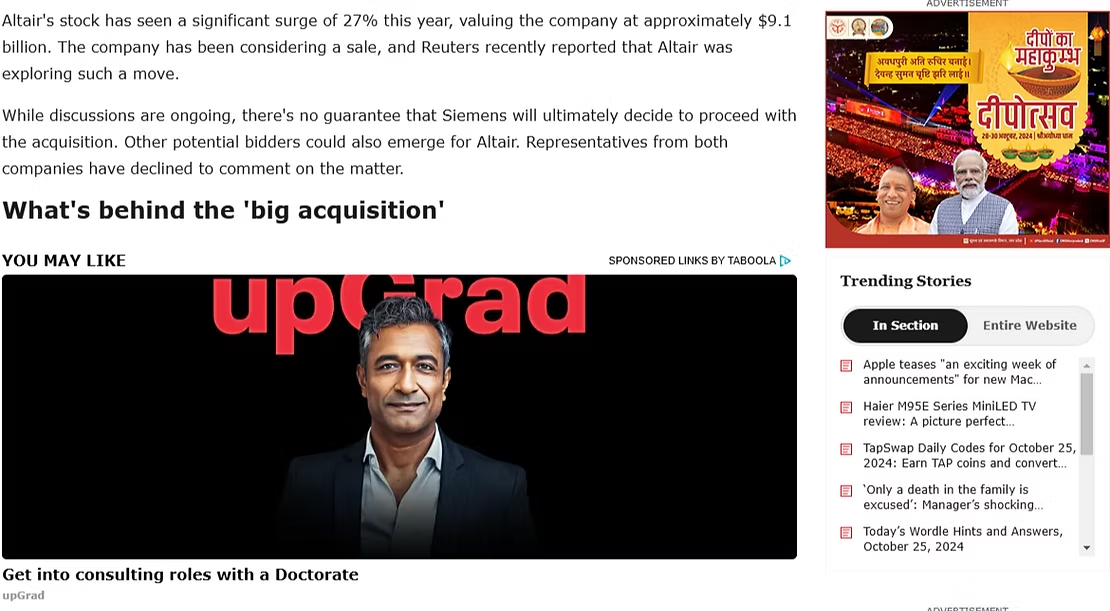
Often found at the bottom of articles or in sidebars, these widgets suggest related content, some of which may be sponsored.
An example of a promoted content in the middle of a news article
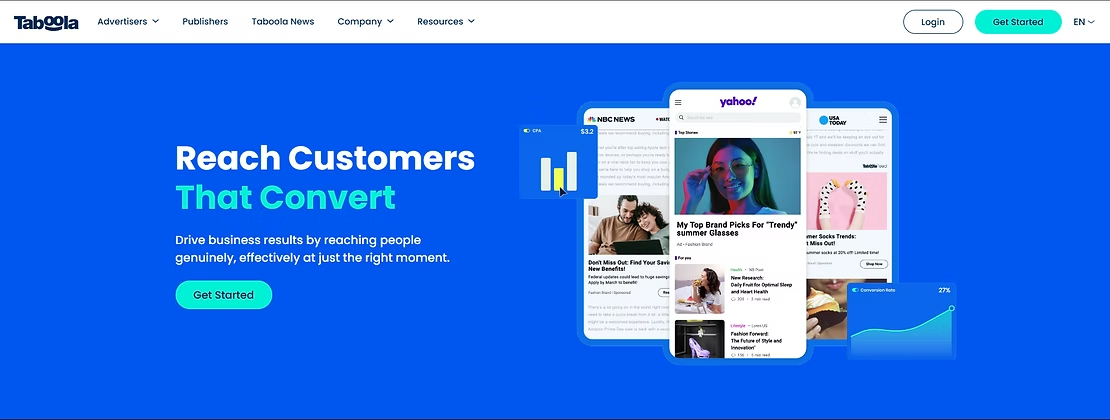
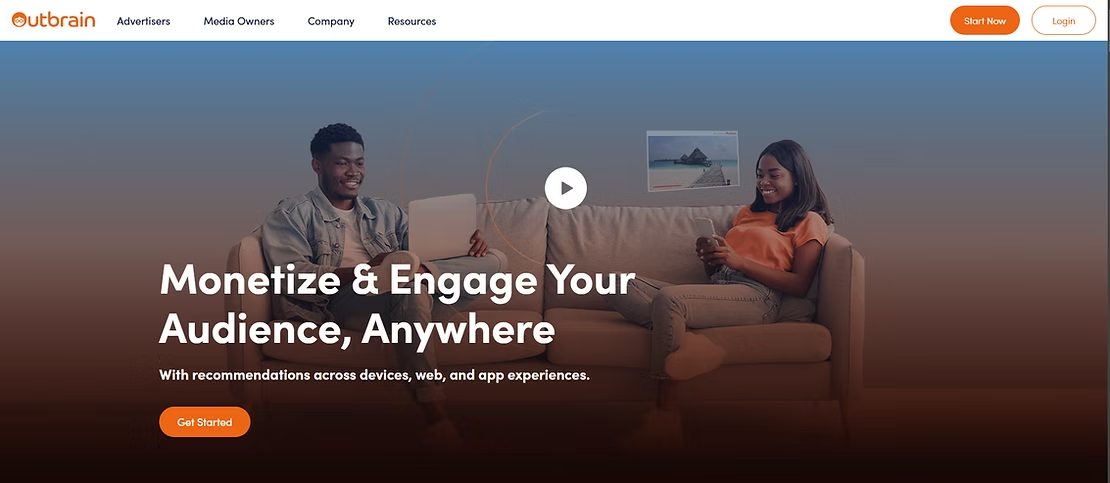
Platforms like Taboola and Outbrain have perfected this format, reaching over 1 billion users monthly across 7,000+ publishers.
Branded/Native Content
This category includes full articles or videos created by brands, often in collaboration with publishers.
An example of a listicle on Buzzfeed written by a dog food brand
BuzzFeed's partner content is a prime example, where brands create content that matches the platform's style and tone.
Benefits of Native Ads in 2024
The benefits of native advertising are numerous and compelling:
Improved Brand Trust: By offering valuable content rather than just promotional messages, brands can build trust and credibility with their audience.
Enhanced Targeting: Leveraging AI and user data, native ads can be highly targeted, ensuring that content reaches the most relevant audience.
Reduced Ad Fatigue: The seamless integration of native ads helps combat ad fatigue and banner blindness, common issues with traditional digital advertising.
Better User Experience: Native ads are designed to be less intrusive, aligning with the user's expectations and preferences on a given platform.
Ad-Blocker Bypass: Many native ad formats can circumvent ad-blockers, ensuring that the content reaches its intended audience.
Top Native Advertising Platforms
The success of native advertising hinges on the platforms that facilitate its distribution. Several native ad networks stand out for their reach and effectiveness:
Taboola
With a global reach of 1.4 billion users monthly across 9,000+ publishers, Taboola offers extensive targeting options including behavioral, contextual, and demographic targeting. Its unique feature, Taboola News, extends native advertising reach to mobile devices. Its targeting options are extensive, covering behavioral, contextual, and demographic parameters.
Outbrain
Outbrain reaches one billion users monthly, covering 7,000 publishers, and offers interest-based targeting and lookalike audiences, with standout features like Outbrain Sphere for B2B marketing setups. Budget-friendly, these platforms allow advertisers to start with minimal daily investments, thus widening accessibility while providing robust tools for audience engagement and reach.
Other players in the native ad market include Google AdSense, which makes use of Google's vast network and sophisticated targeting capabilities make it a powerful tool for native-style display ads. Meta also places in-feed ads across its platforms, both of which we have covered extensively in our blog on digital advertising strategies.
Native Advertising Guidelines
Creating compliant native ads requires a thorough understanding of platform-specific guidelines and industry best practices. While policies may vary, certain key principles remain consistent across most native advertising platforms:
Truthful Representation: Ensure all ad content, including headlines, images, and descriptions, accurately represents the landing page content. Avoid misleading claims or sensationalized language that could be construed as clickbait.
Appropriate Imagery: Use high-quality, relevant images that align with both your brand and the platform's standards. Avoid overly suggestive, violent, or shocking visuals that may violate content policies.
Clear Disclosure: Transparently label your content as sponsored or advertising to comply with FTC guidelines and maintain user trust.
Editorial Quality: Maintain high editorial standards in your native ad content, ensuring it provides value to the reader and aligns with the host platform's content quality expectations.
Prohibited Content Awareness: Familiarize yourself with each platform's list of prohibited content, which typically includes illegal products, adult content, weapons, and certain health claims.
Mobile Optimization: Ensure your native ads and landing pages are mobile-friendly, as many platforms prioritize mobile user experience.
To stay compliant, marketers should also take a more in-depth look at individual platform guidelines for Meta, Taboola, Outbrain, and Google.
Using AI for Native Ads
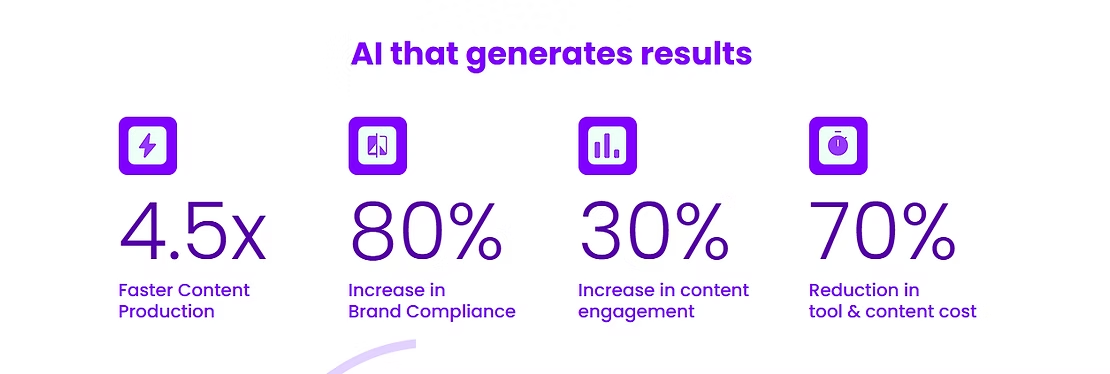
Using advanced AI tools like Yarnit, can significantly enhance native ad performance, compliance, and turnaround time.
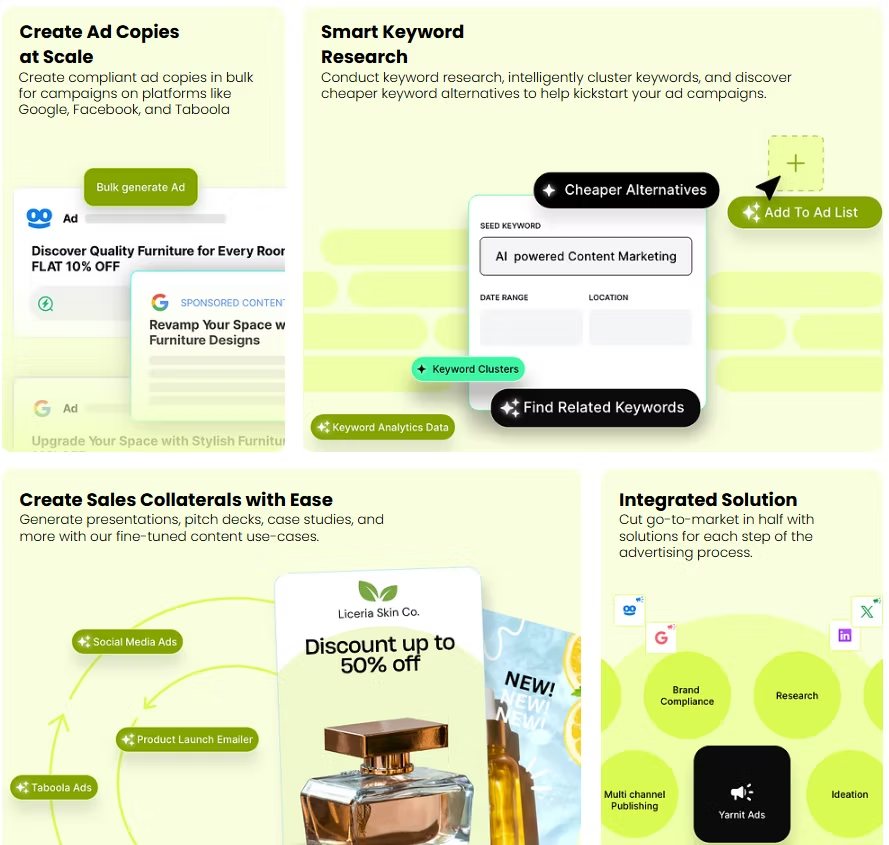
Let's take a look at how you can use Yarnit's AI capabilities for launching native ad campaigns:
Generate Optimized and Compliant Ad Copy: Our fine-tuned usecases are trained on a vast number of proven ad copies and excel in bringing down rejection rates while delivering better outcomes.
Generate Compliant Ad Creatives: Yarnit uses a powerful combination of AI and human creativity, along with baked-in knowledge of ad guidelines to create images that align with your requirements and brand guidelines.
Personalize Content at Scale: Yarnit can help create personalized ad experiences for different user segments, set up in your Brand Hub. This can help you create variations tailored to specific audiences and platforms, driving better results
Automate A/B Testing: Continuous improvement is key in native advertising. By allowing marketers to create multiple versions easily, Yarnit can automate the process of testing different ad elements, from headlines to images, ensuring optimal performance.
To know more about how Yarnit can aid you in creating ads, check out this blog. By leveraging these AI capabilities, advertisers can create more effective native ad campaigns, ensuring that their content not only reaches the right audience but also resonates with them in a meaningful way.
Selecting the Best Platform for Native Ads
The success of a native advertising campaign largely depends on where you're placing your ads. Selecting the right platforms and optimizing ad placements are crucial steps in ensuring that your native ads reach and engage your target audience effectively.
When choosing platforms for your native ads, consider the following factors:
Target Audience Behavior: Understand where your audience spends their time online and what type of content they consume. For instance, if your target audience consists of young professionals, LinkedIn might be a more appropriate platform than TikTok.
Platform Demographics: Each platform has its unique user base. Analyze the demographics of different platforms to ensure alignment with your target audience.
Content Alignment: Your native ads should feel natural within the platform's content ecosystem. For example, visually-driven brands might find more success on Instagram or Pinterest compared to text-heavy platforms.
Targeting Options: Evaluate the granularity of targeting options available on each platform. More precise targeting capabilities can lead to better ROI.
Performance Metrics: Look at historical performance data if available. Some platforms might consistently deliver better results for your industry or ad type.
How to Optimize Native Ads
Once you've selected your platforms, here are some of the methods you can optimize running ads to align closer with your KPIs.
A/B Testing
Continuously test different elements of your native ads, including:
Headlines: Experiment with various tones, lengths, and styles.
Images: Test different visual styles, colors, and compositions.
Calls-to-Action: Try different phrasings and placements within the ad.
Performance Analysis
Regularly analyze data to identify high-performing placements. Look for patterns in terms of:
Time of day & Day of the week
Specific sections or pages within a platform
Device types (mobile vs. desktop)
Bid Adjustments
Based on performance data, adjust your bids for different placements. Increase bids for high-performing spots and decrease for underperforming ones.
Format Experimentation
Don't limit yourself to one ad format. Test various types such as:
Video ads
Carousel ads
Interactive ads
Long-form content vs. short-form teasers
By carefully selecting platforms and continuously optimizing your placements, you can significantly improve the performance of your native advertising campaigns. Remember, the key to success in native advertising is to provide value to the user while seamlessly integrating with their content consumption experience.
The Future of Native Advertising
As we look towards the future of native advertising, it's clear that this dynamic field will continue to evolve and shape the digital marketing landscape.
As we move forward, the line between native advertising and organic content will likely continue to blur, creating both opportunities and challenges for marketers. The key to success will be maintaining authenticity and providing value while leveraging advanced technologies to deliver personalized, relevant experiences.
For those looking to dive deeper into the world of native advertising, these resources can provide further insights:
Explore Yarnit's blogs on Native Advertising and fine-tuned ad use-cases on our platform for copy that delivers better outcomes.
By embracing the principles of native advertising and staying abreast of technological advancements, marketers can create more effective, engaging, and valuable advertising experiences. As we continue to navigate the evolving digital landscape, native advertising stands out as a powerful tool for connecting with audiences in meaningful and mutually beneficial ways.
See exactly why your Product Detail Page isn't converting
Thank you! Your submission has been received!
Oops! Something went wrong while submitting the form.